

A Brand New Pixel 10 for $400: Steal or Scam?
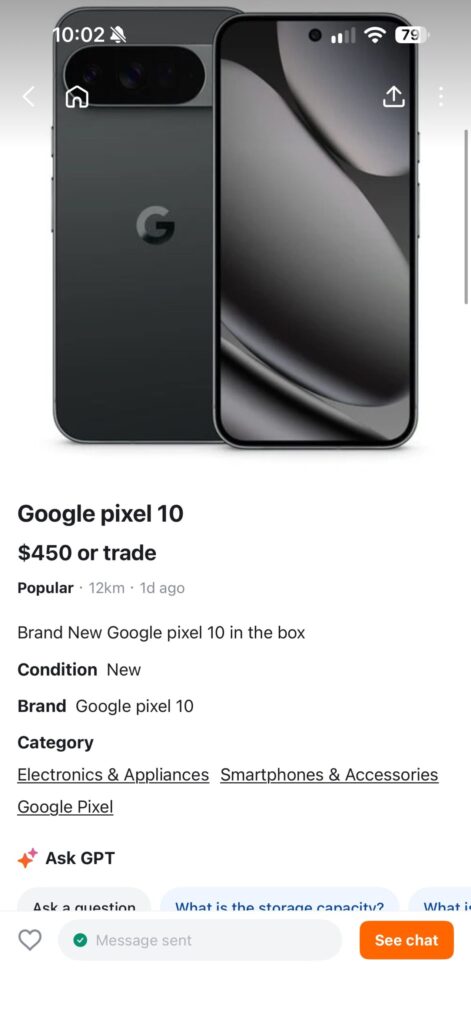
Somebody listed a brand new in box Pixel 10 for $400 today. And I am just sitting here staring at it.
$400. For a brand new current-gen flagship. That’s not a discount, that’s a smell. Could be the steal of the year. Could also be the scam of the week. Honestly, it could be both, because the best scams always start with a real phone in a real box.
I’ve been buying and selling phones on marketplace for years now. I’ve seen every version of this movie. So before I even think about messaging this seller, here is the exact smell test I run on deals that look too good.
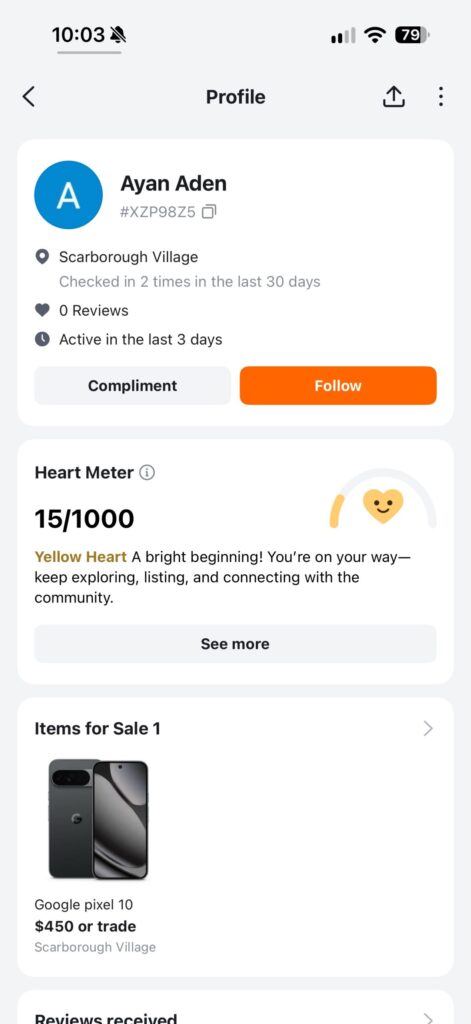
Step 1: The seller, not the phone. A $400 BNIB flagship from an account made three days ago with zero reviews and one listing is a hard no. An account with a year of history, real reviews, other normal listings? That’s a maybe. Scammers are lazy. They burn accounts fast. Real sellers have history.
Step 2: Ask for the IMEI before you meet. This is the part most people skip and then cry about later. Get the IMEI in chat, run it through a carrier check. You are checking two things: is it blacklisted, and is it still being financed? A “brand new” phone that still has $800 of carrier financing attached to it is not brand new. It is somebody else’s debt in a box. If the seller won’t give you the IMEI, you already have your answer.
Step 3: In person, box meets phone. Never ship. Never send a deposit to “hold it.” Public meetup, and I check three things: the IMEI on the box matches the IMEI in the phone’s settings, the phone powers on and activates without someone else’s account still on it, and the box still has its original seal. Resealed boxes are a whole industry. If any of those three fails, I walk. There will always be another phone.
Step 4: Compare it to the actual market. This is where I have an unfair advantage, because I watch these listings basically every day. The cheapest used Pixel 9s I see go for around $440. A used Pixel 10 goes for way more than that. So when a brand new Pixel 10 costs less than a used Pixel 9, my brain does the math: either this seller is wildly generous, or something is wrong with the picture. Generosity exists. It is just rare.
Now, full honesty: sometimes these are real. People get phones as gifts they don’t want. People buy with store credit or gift cards and just want cash fast. Someone’s boss hands them a work phone and their personal Pixel goes up for sale the same day. It happens. I am not saying $400 BNIB is automatically a scam.
I am saying $400 BNIB deserves the full inspection before anyone’s money moves. Because the scammers know exactly what I just told you. They know you’ll skip step 2 because you’re excited. They know you’ll send a $100 deposit because you don’t want to “lose the deal.” The deal is the bait. The urgency is the hook.
For what it’s worth, I haven’t bought this one yet. It’s sitting in my watchlist while I run it through my own checklist, same as the marketplace red flag checklist I wrote up a while back. If it checks out, amazing, that’s my next phone. If it doesn’t, I lose nothing except a listing that was never mine anyway.
That’s the real secret to buying used phones, by the way. It’s not finding deals. Deals are everywhere. It’s saying no to the wrong ones. If you want a refresher on the basics, my iPhone battery health guide covers what to check on any used phone before you pay, and I just broke down what $700 buys you in the used flagship market if you want real price context.
Real talk, no filter: the phone will still be there tomorrow if it’s real. Scams are the ones that can’t wait.
Discover more from ByteFlip
Subscribe to get the latest posts sent to your email.