Why I Ditched My Apple Watch After Years — and Switched to a Background Health Tracker
I wore an Apple Watch for years.
Daily charging.
Notifications.
Apps.
Rings to close.
Metrics everywhere.
And one day I realized something uncomfortable:
I wasn’t actually using most of it.
What I thought I wanted vs what I actually cared about
I thought I wanted:
- Workout tracking
- Stats during runs
- Rings to close
- Notifications on my wrist
What I actually cared about:
- Background health tracking
- Heart rate trends
- Sleep quality
- Recovery over time
- Storing data long-term so I can compare myself a month from now (or later)
That’s how you know if you’re improving — not from a single workout, but from patterns.
Everything else was noise.
The moment it clicked
I stopped wearing my Apple Watch regularly and… nothing bad happened.
- I still worked out
- I still ran
- I still stayed active
- I still meal prepped
The watch wasn’t making me healthier.
My habits were.
That’s when I realized I didn’t want a smartwatch.
I wanted a background health tracker — something that works quietly without asking for attention.
Why I don’t track workouts anymore (and why that’s intentional)
I don’t track workouts anymore.
I just do them.
If I go for a run or a walk, my heart rate will show it anyway.
If I’m stressed, tired, or overreaching, my heart rate and recovery trends will reflect that too.
For long-term health, heart rate is the most important signal.
It doesn’t matter whether an app labels something as:
- “Run”
- “Walk”
- “Workout”
If your heart rate was elevated, your body knows.
And that data gets recorded.
What matters to me is being able to look back:
- One month later
- A few months later
- And see if I’m actually improving or not
That’s the whole point.
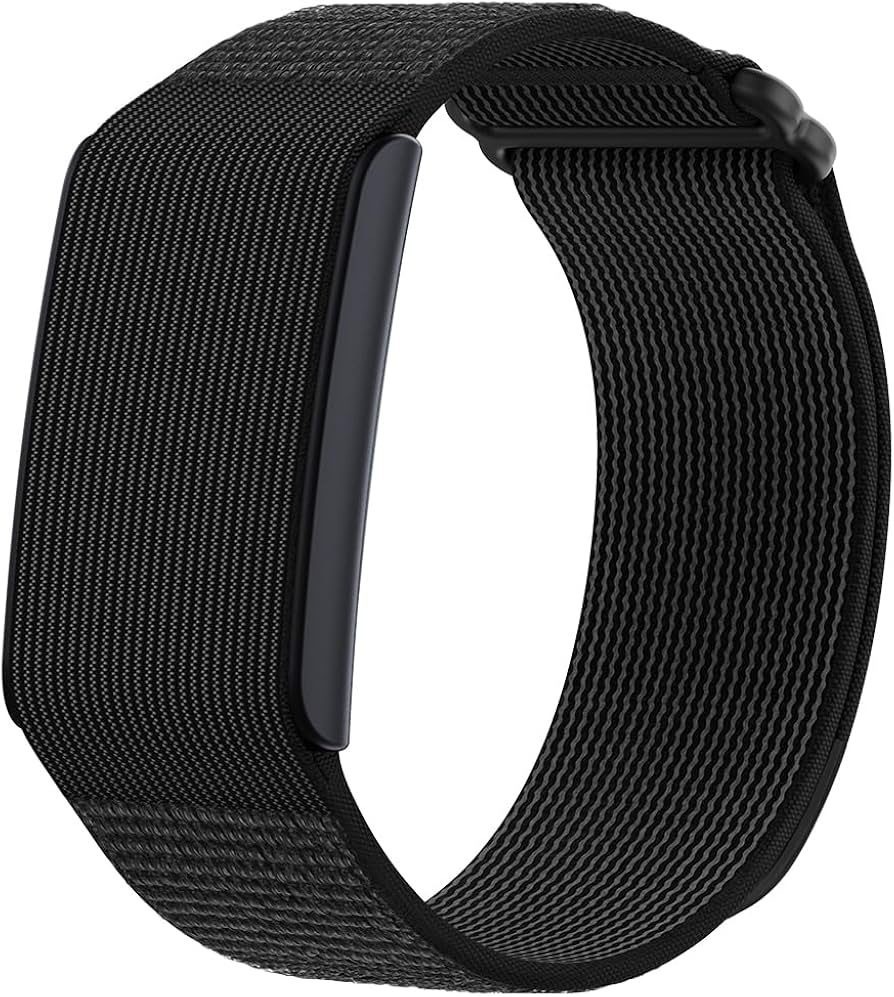
Why the Helio Strap fits how I actually live
That’s how I ended up with the Helio Strap.
What I like about it:
- No screen
- No notifications
- No buzzing
- No “look at me” features
You wear it and forget about it.
It quietly tracks:
- Heart rate
- Sleep
- Activity
- Recovery
- Long-term trends
I check the data after, not during.
Way less mental load.
Battery life matters more than features (to me)
From my own testing, the Helio Strap easily gets around 10 days of battery life.
That alone changes how you think about wearing it:
- No daily charging
- No “did I forget to charge it?”
- No dead device when you actually want data
Compared to charging an Apple Watch almost every day, this feels refreshingly low-maintenance.
Pricing that actually makes sense
Another reason this switch felt easy: the price.
- New: ~$139.99 on Amazon
- Used / open-box (Amazon Warehouse): ~$127.99
Here’s the product link I’m using:
👉 Helio Strap on Amazon:
https://www.amazon.ca/Amazfit-Wristband-Activity-Strength-Subscription/dp/B0F9J3TFMB
If you’re okay with open-box items, Amazon Warehouse is usually the move — same return policy, lower price.
I don’t need my wrist to yell at me anymore
With the Apple Watch, it always felt like:
- A ring needed closing
- A stat needed optimizing
- Something needed attention
But I’m not training for a marathon.
I just want to:
- Stay healthy long-term
- Catch bad trends early
- Live my life without micromanaging it
Now the tech stays in the background — exactly where I want it.
Who this setup actually makes sense for
This approach works best if:
- You already have decent habits
- You don’t need notifications to stay active
- You care more about trends than perfection
- You want less tech, not more
If you love Apple Watch features, that’s fine.
This isn’t an anti-Apple post.
It’s a “know what you actually use” post.
ByteFlip takeaway
More data doesn’t always mean better decisions.
Sometimes the best tech:
- Gets out of the way
- Stops asking for attention
- Lets habits do the work
Ditching my Apple Watch didn’t feel like a downgrade.
It felt like clarity.
Discover more from ByteFlip
Subscribe to get the latest posts sent to your email.